What Blue Cheese Should You Serve at Christmas? Christmas Blues
Planning to make an inspired cheese choice to celebrate this month’s traditional holiday festivities?
Your favourite cheesemonger or deli is the obvious place. Helping a customer make an informed choice from an often confusing display of cheese in different shapes, sizes and textures is an important part of a cheese monger’s job. Tasting before you buy is highly recommended because all handmade artisan and farmstead cheeses vary in quality and flavour. I’d recommend keeping your selection simple, because less is always more – even with cheese, and yes, even at Christmas!
All too often, we can’t resist and get carried away and end up buying too many cheeses, but four or five is more than enough. If the cheese you had set your heart on isn’t up to scratch, don’t compromise – substitute with another, or go without it.
Just one great-tasting cheese in optimum condition is another option. This provides a good opportunity to appreciate a cheese on its own merits, and has the advantage of being relatively simple to match with a single wine. My own selection this year will be blue cheese. There is plenty of choice and a wide variety of tastes and textures, with flavours ranging from mild to very strong. Many blue cheeses are at their seasonal best at this time of year and work exceptionally well when matched with sweet fortified or dessert wines.
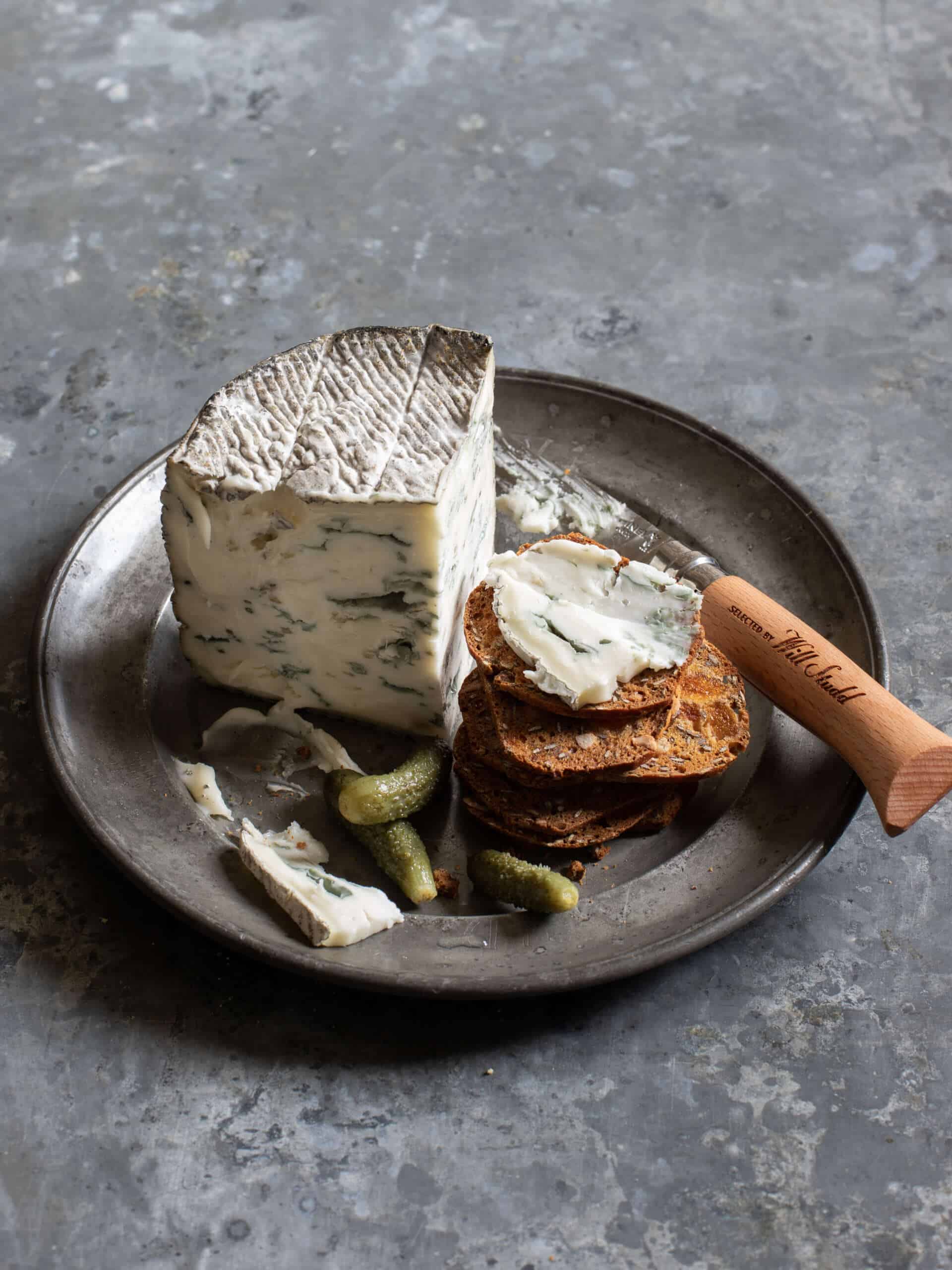
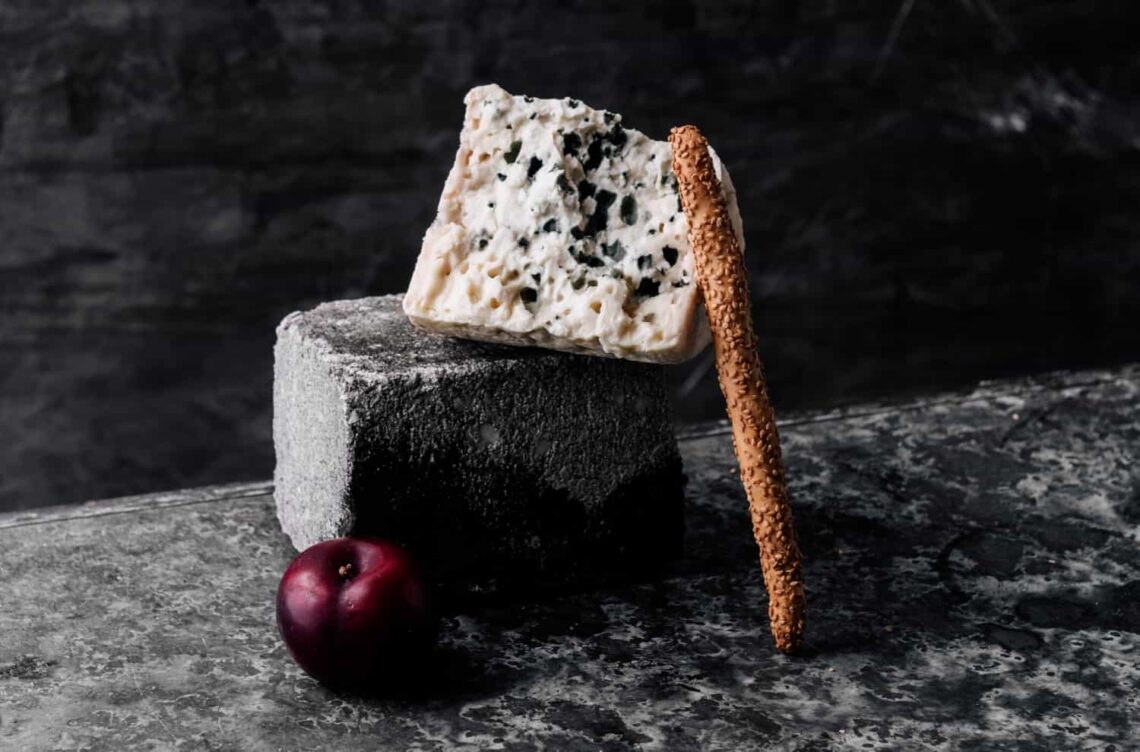
Le Roi Roquefort is the only soft blue cheese made from unpasteurised milk
currently allowed for sale in Australia, so it’s an essential on my shopping list. This legendary blue is one of the oldest and most popular of all French cheeses. The spores of Pencillium Roqueforti mould, found in the famous labyrinth of caves beneath the Cambalou plateau, are now used in the production of just about every blue cheese in the world. Roquefort is made for just six months a year, from the end of December, and matured in the region for at least 90 days or longer, often just below freezing point.
The finest examples are those made at the end of the milking season in May and June, when ewes are grazing on fresh pasture, and it’s these that are released just in time for Christmas. Soft, moist and fatty, the crumbly texture and lingering strong, salty blue flavours are not for the uninitiated but, when served with thinly sliced dark rye bread, cultured Le Conquerant Beurre de Baratte and Sauternes, you simply can’t go wrong.